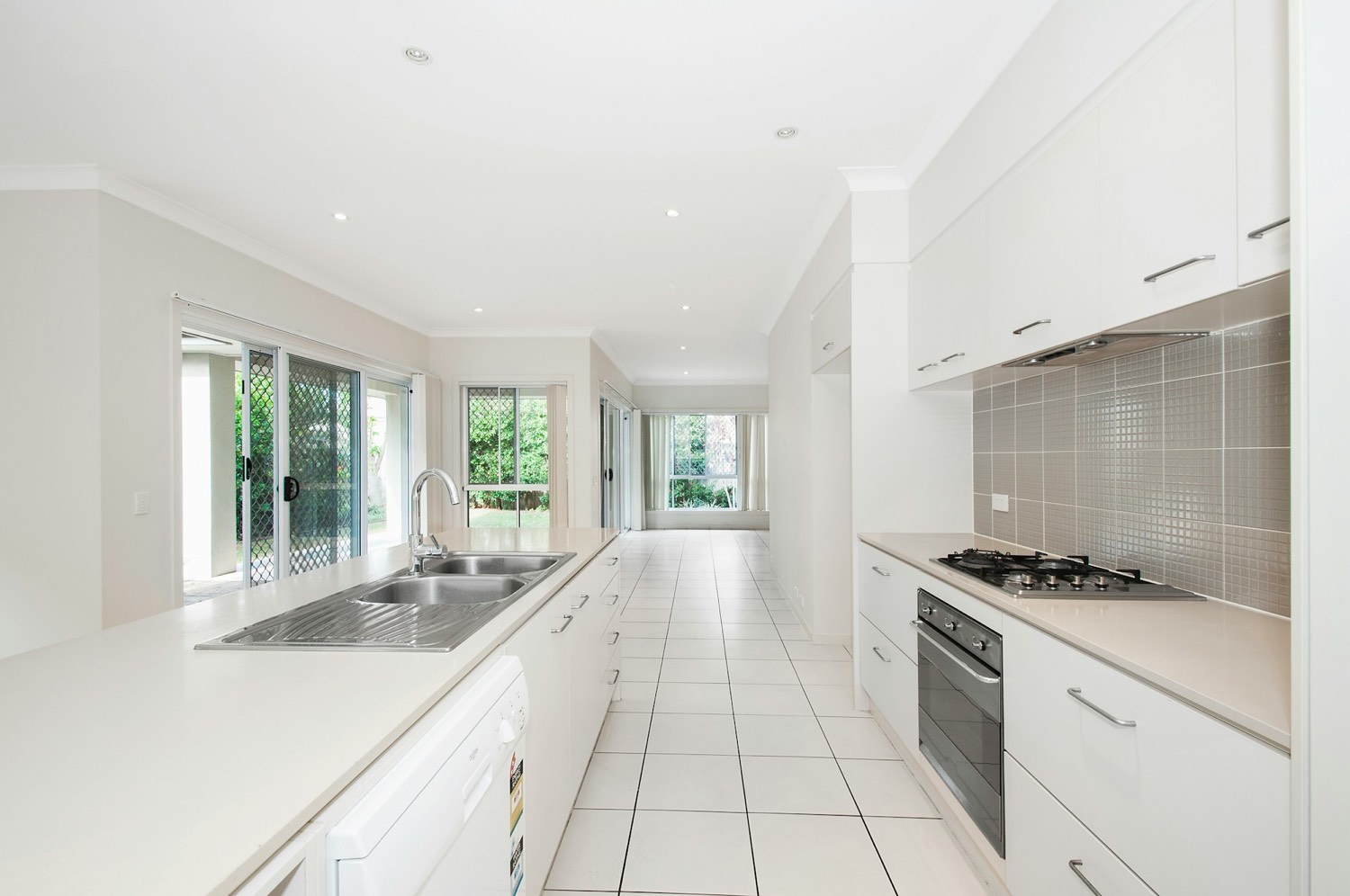
Shaker kitchen, resprayed
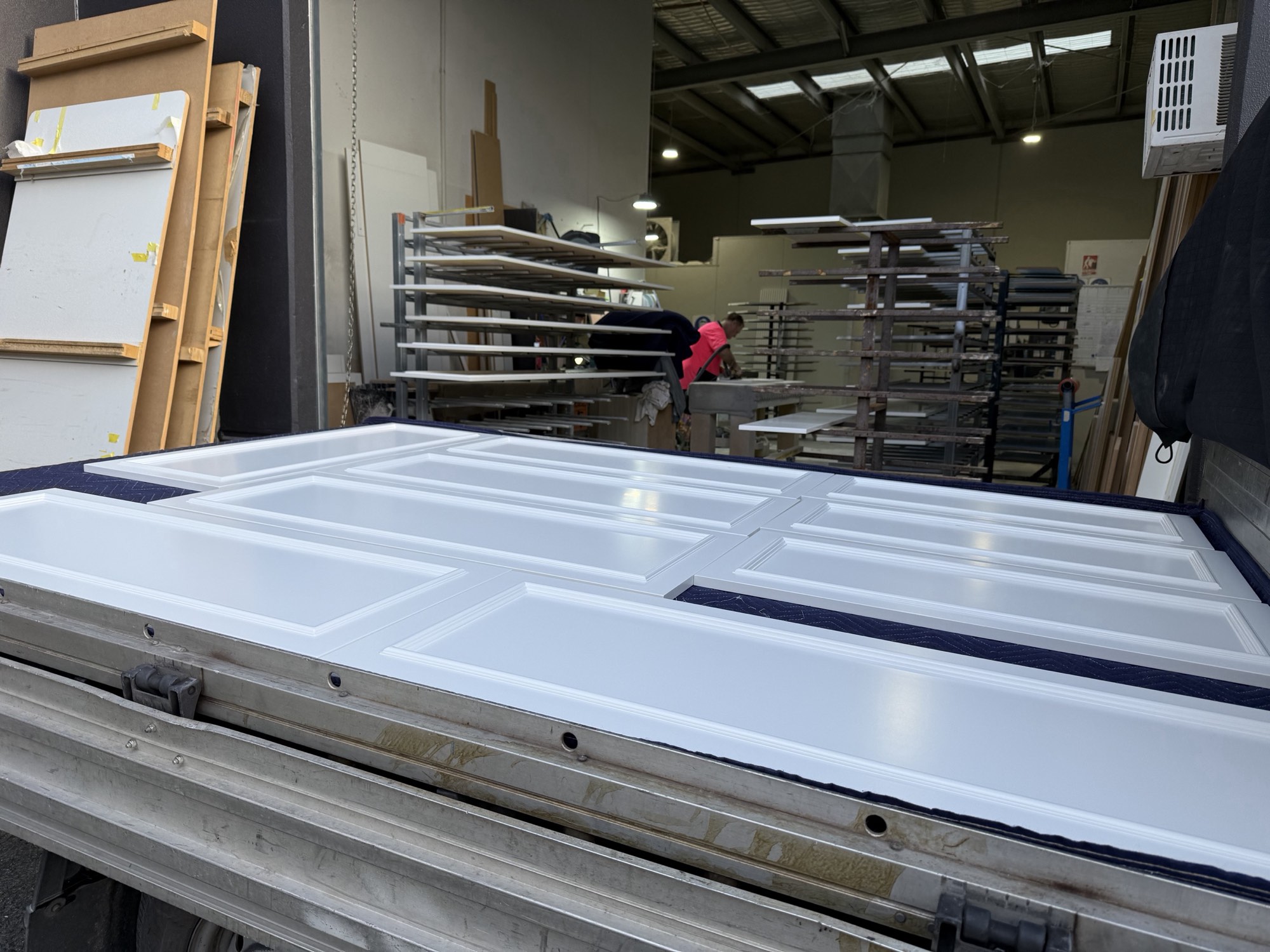
24 doors and 9 drawer fronts, routed shakerC2P-0117
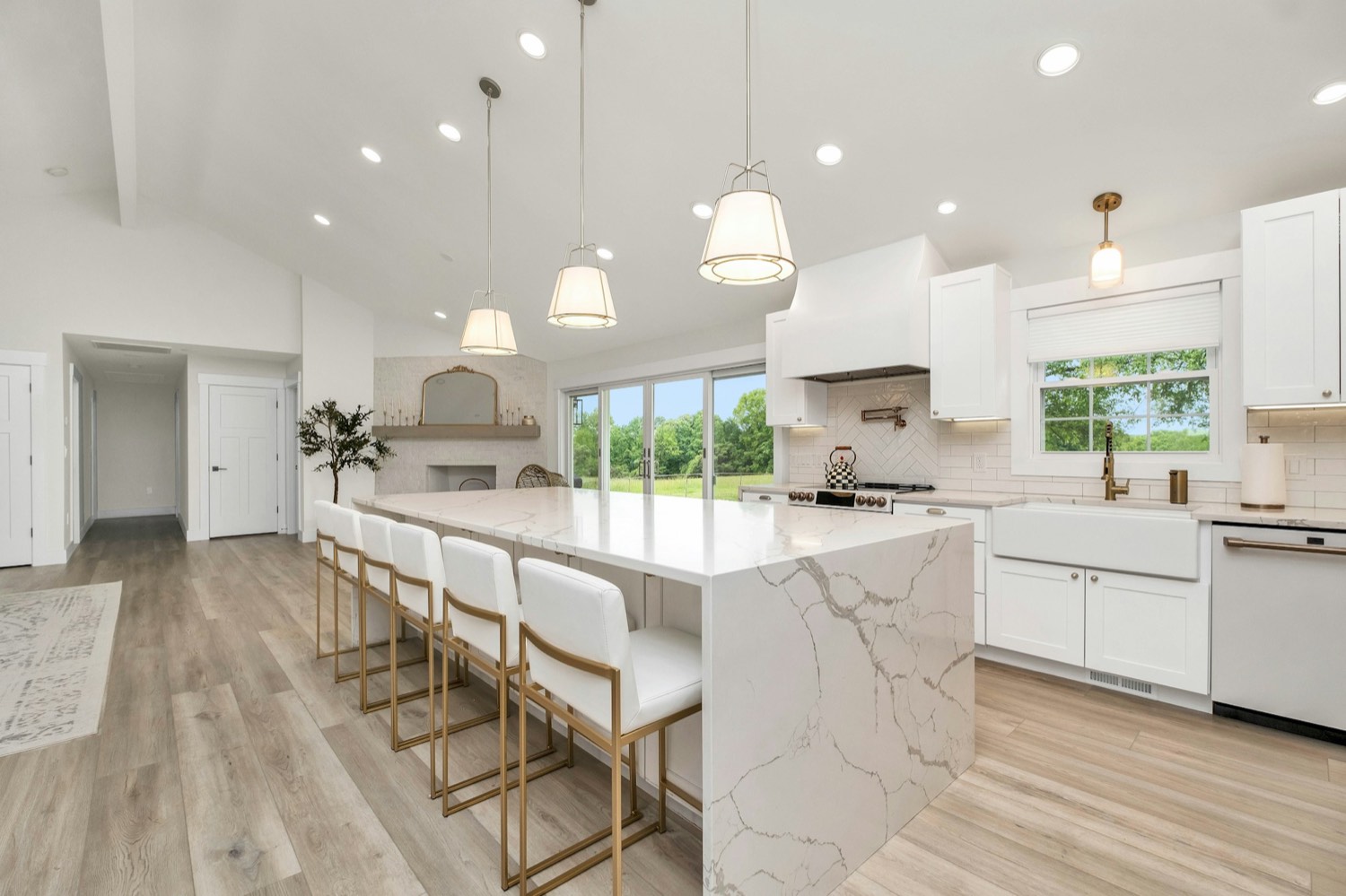
A tired oak-look kitchen taken to satin white, with the routed shoulders kept crisp and the whole set sprayed together so it reads as one.
- Routed MDF
- 2PAC satin
2PAC spray painting for kitchens, wardrobes and joinery. Describe what you have, show us the edges, and get an indicative range against our published rates.
Two panels can be the same colour and the same paint and still be nothing alike. What separates them is how the surface hands light back to you: and that is decided under the coating, long before the colour goes on.
The default for kitchens, and the reason is practical as much as visual. Satin scatters light across a broad band, which means fingerprints, smears and the small imperfections in a long run of doors stop announcing themselves. It is the finish that still looks good on a Tuesday morning.

Bare board. Every machined edge is thirsty and nothing is sealed.
Digitally generated sequence showing the six surfaces, not a photograph of a job.
Anyone can spray colour. The job is the edges, and the edges are why kitchens fail.
24 doors and 9 drawer fronts, routed shakerC2P-0117
A tired oak-look kitchen taken to satin white, with the routed shoulders kept crisp and the whole set sprayed together so it reads as one.
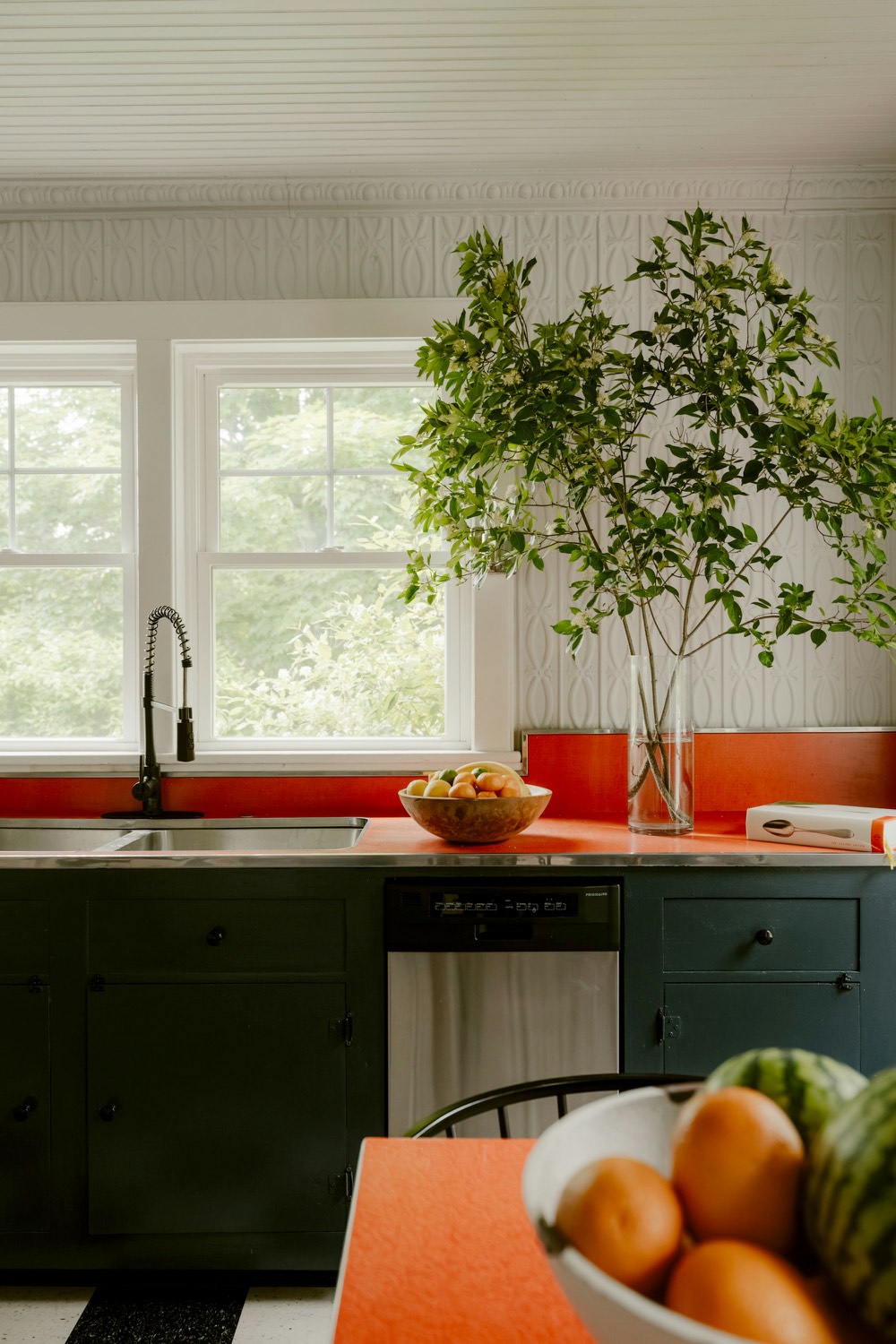
Scalloped island panelling, black satinC2P-0124
A continuous fluted front in black satin: the hardest colour on the hardest profile, with nowhere for either to hide.
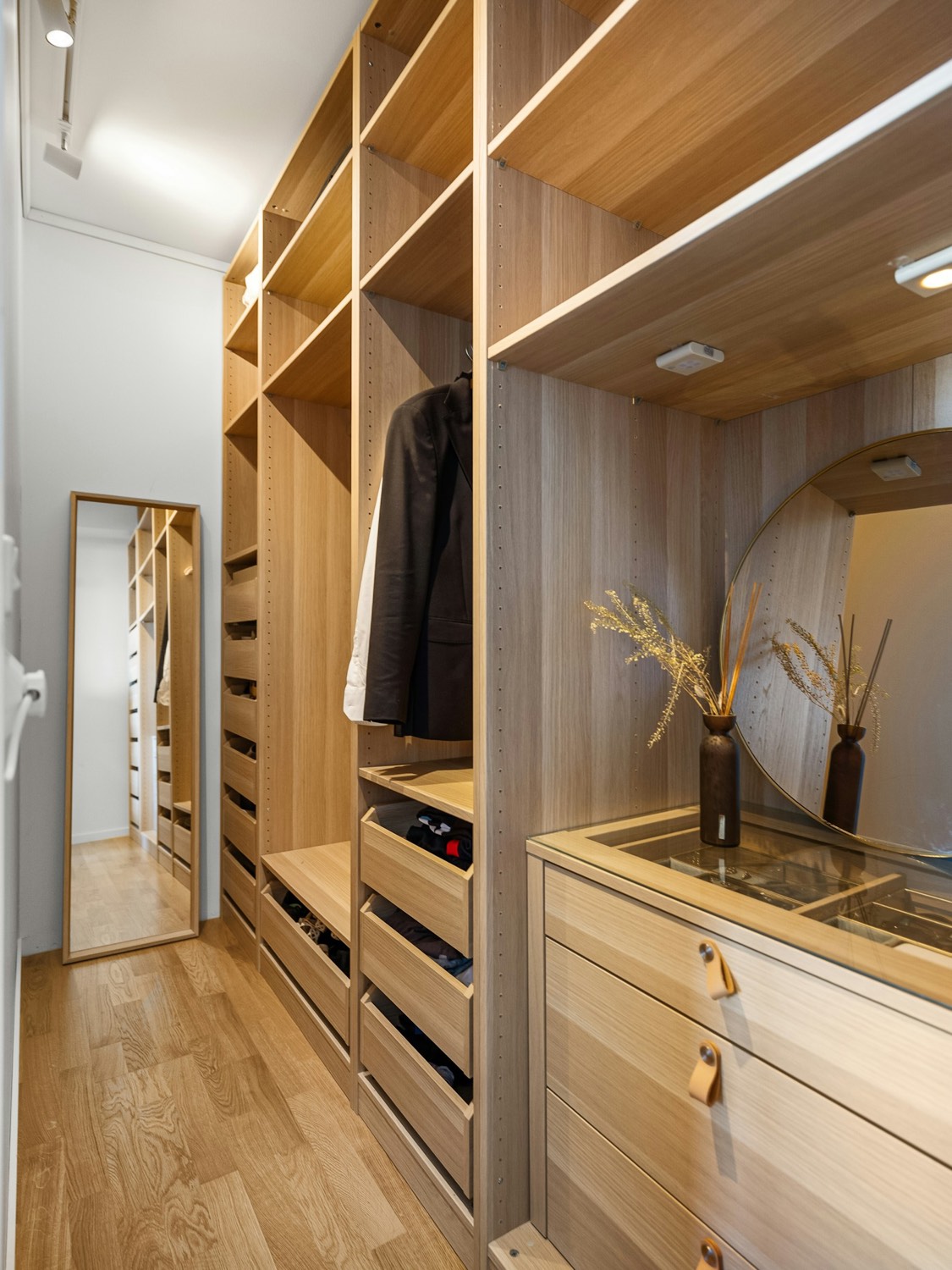
Walk-in robe, 8 V grooved doorsC2P-0131
Eight grooved doors finished so the lines stay sharp and read straight along their full height.
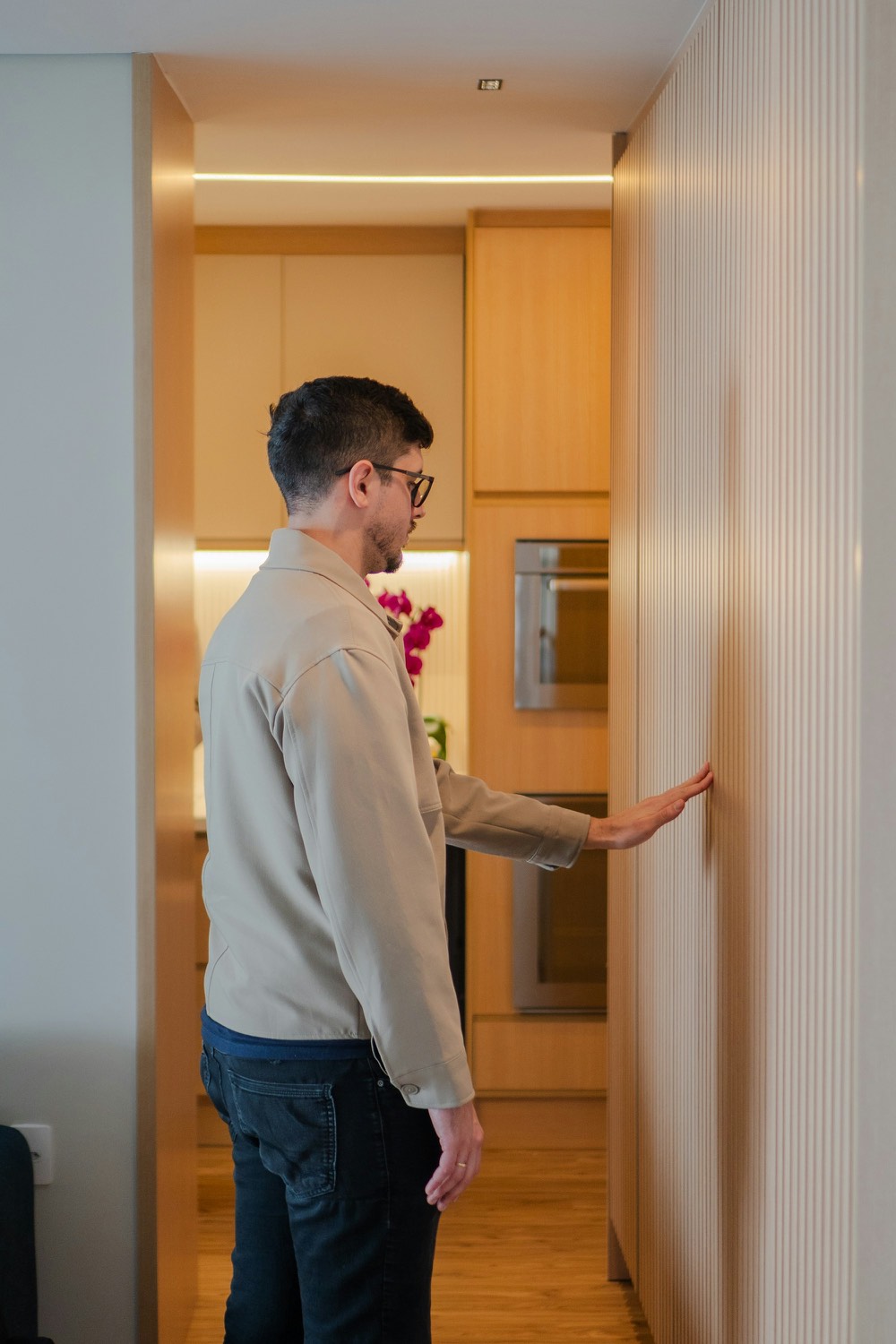
Feature panels and island end, veneered boardC2P-0138
Two-pack clear with full UV protection over timber veneer: nothing to hide behind, so the preparation is about restraint.
Two-pack is a catalysed coating. Base and hardener are mixed by ratio, and once they are mixed the clock is running. That is why the board underneath has to be finished before anything is sprayed.
See the processThe carcasses in most kitchens outlive the doors by a decade. Respraying the doors and panels changes the whole room for a fraction of a new kitchen, and it happens off site rather than in your house.
See the process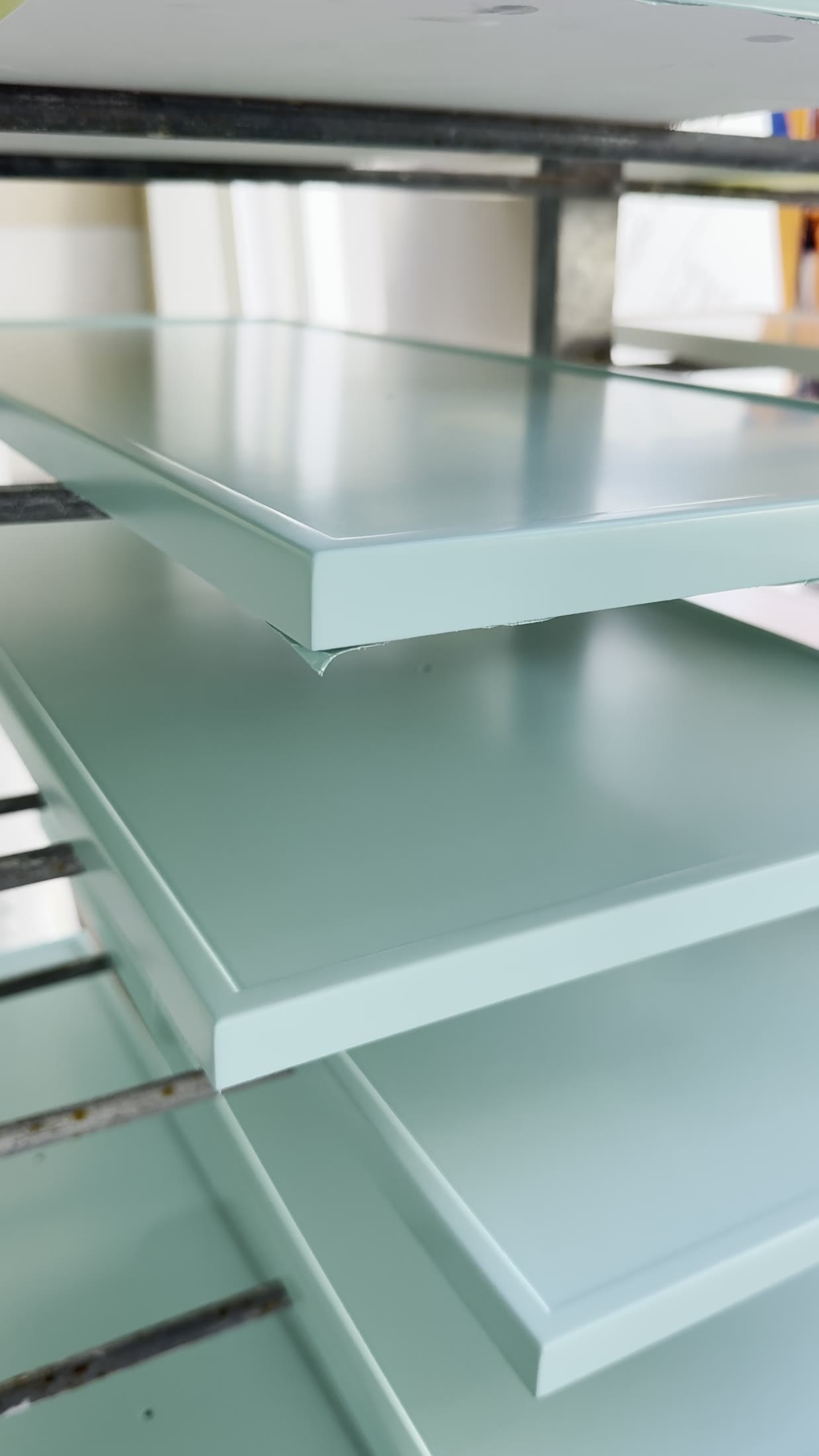
A routed door is bought for its detail. Spray it like a flat panel and the coating pools in the internal corners, softens the shoulders, and you have paid for a profile you can no longer see.
See the processA V groove is a hard line cut into the board. The whole point of it is that it is sharp, and the whole risk of spraying it is that it stops being sharp.
See the process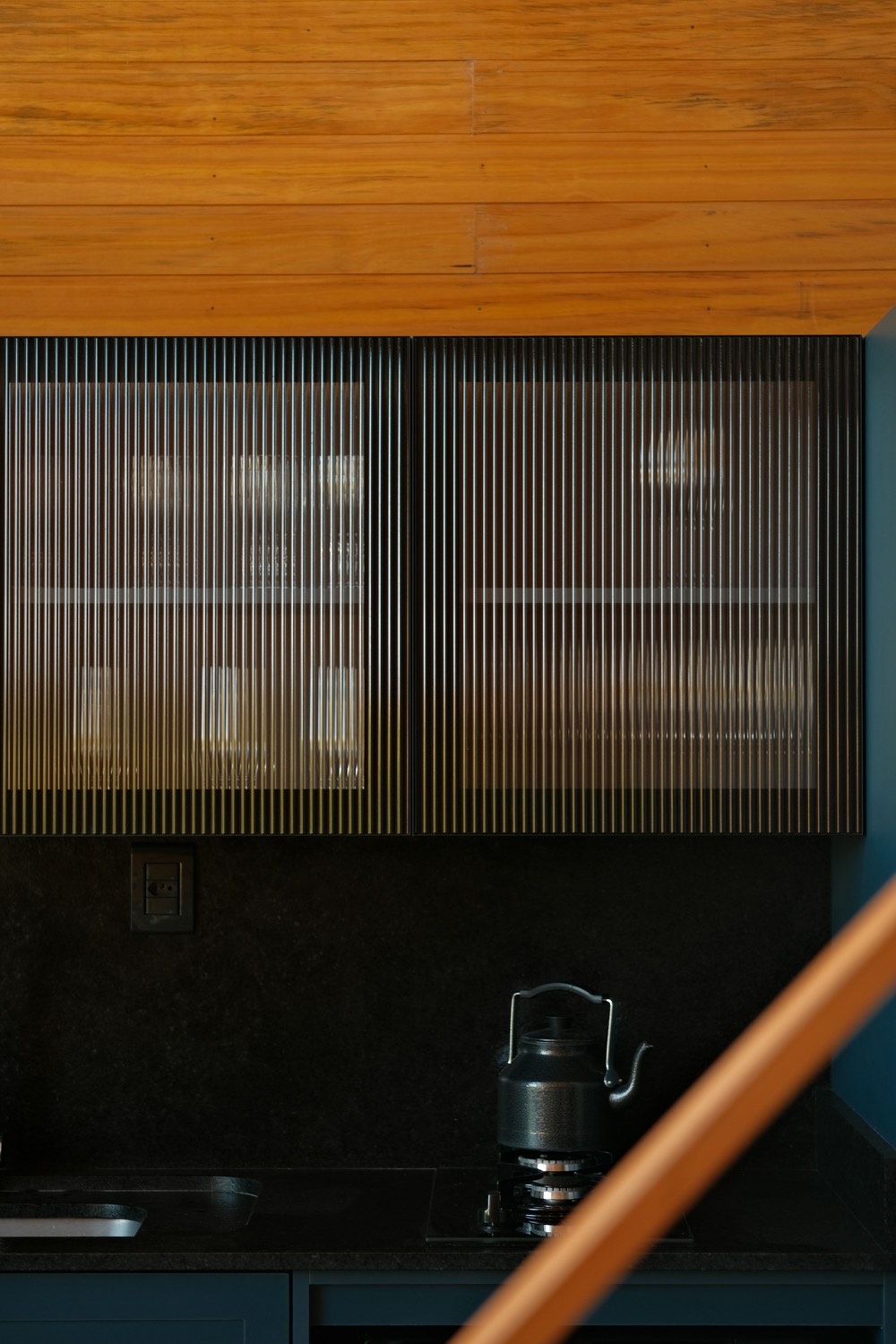
These are the profiles people specify when the joinery is the feature. They are also the hardest to coat, because there is almost no flat surface to work with.
See the process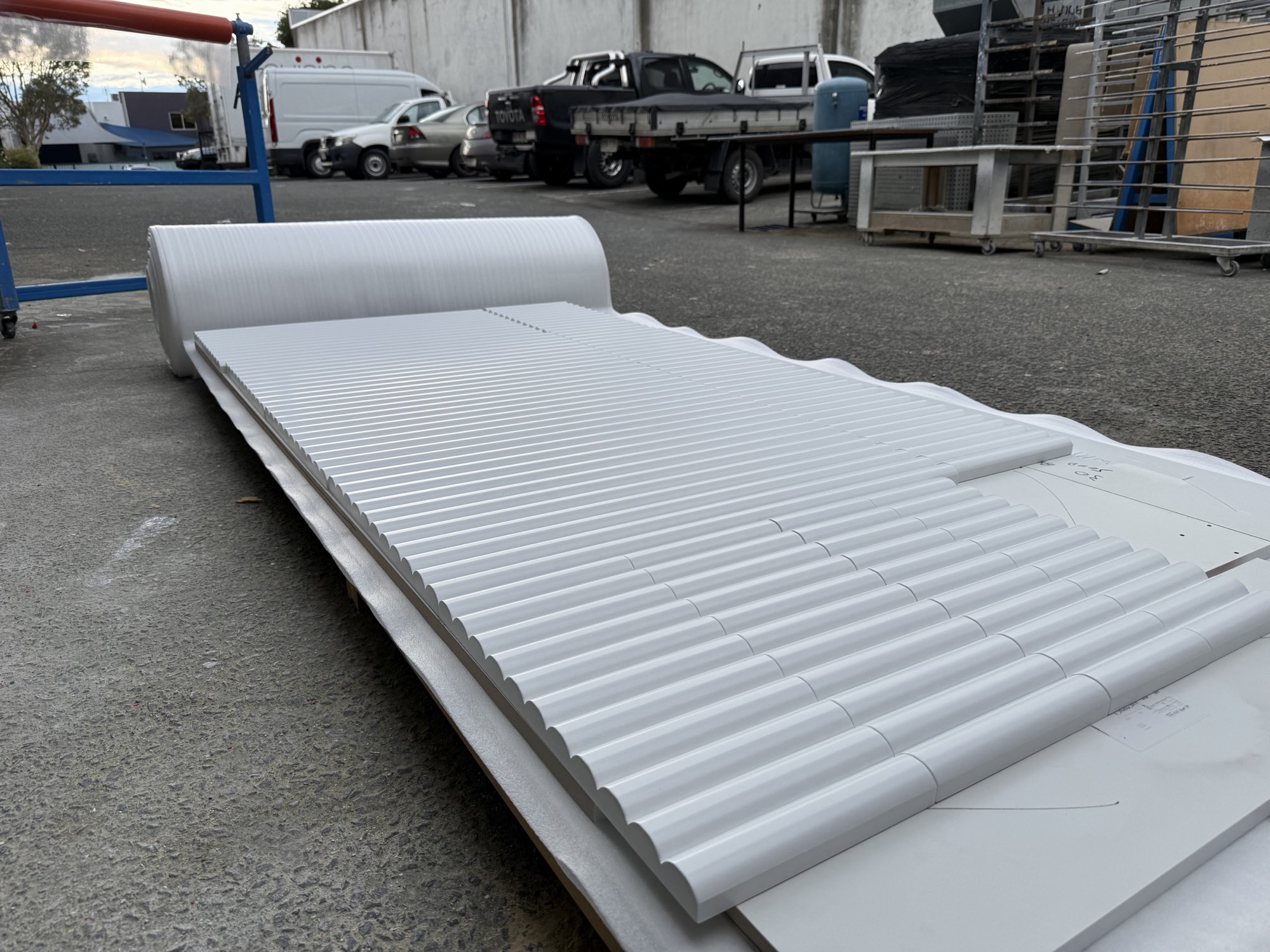
Clear coating over veneer is the opposite problem to colour. There is nothing to hide behind: the grain is the finish, and every mark in the sanding shows through it permanently.
See the processLong, narrow, moulded sections are priced by the metre because that is how they behave. A three metre skirting board is one continuous surface, and it either reads straight along its whole length or it does not.
See the process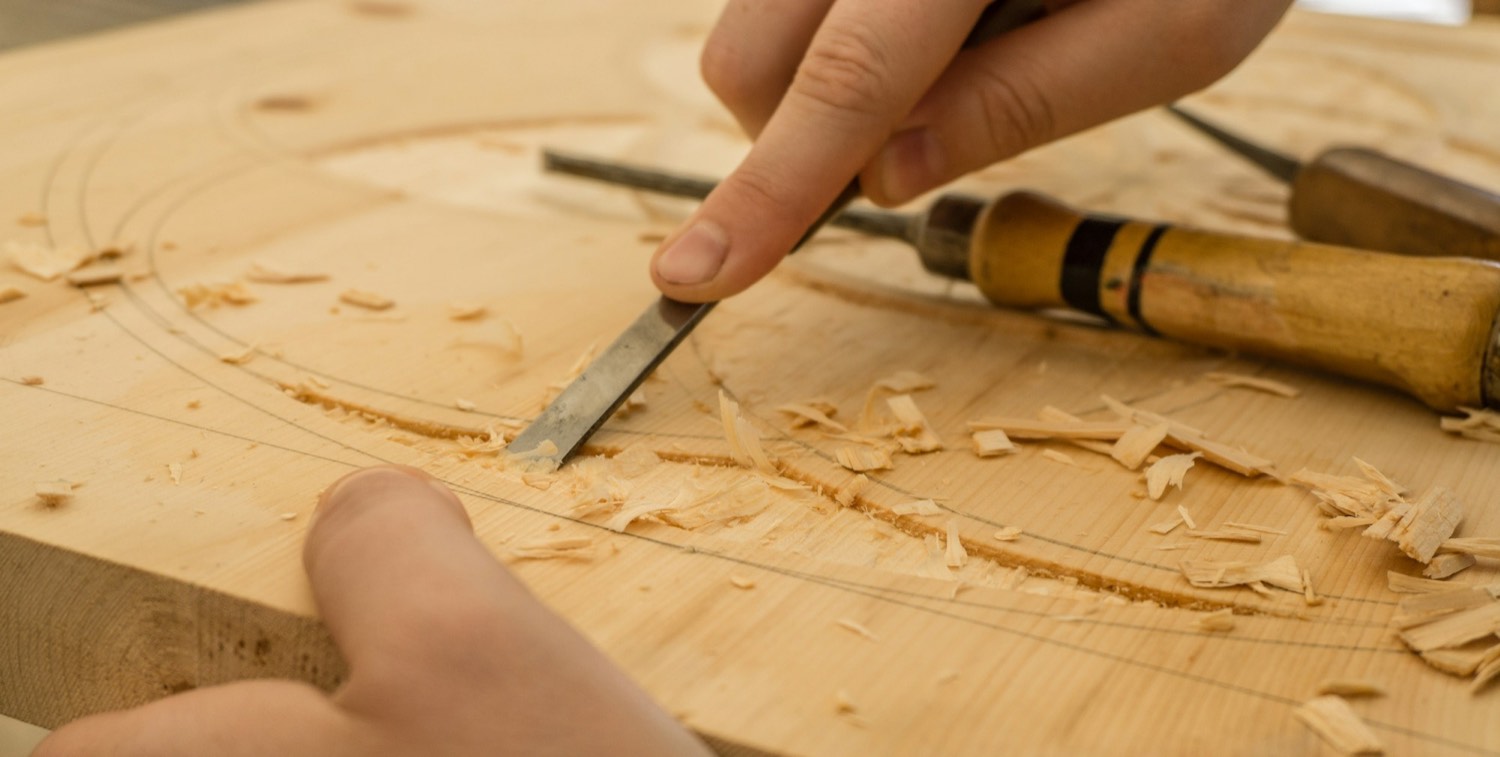
Colour is the part customers think about most and the part hardest to communicate. A code is exact. A photo is not.
See the process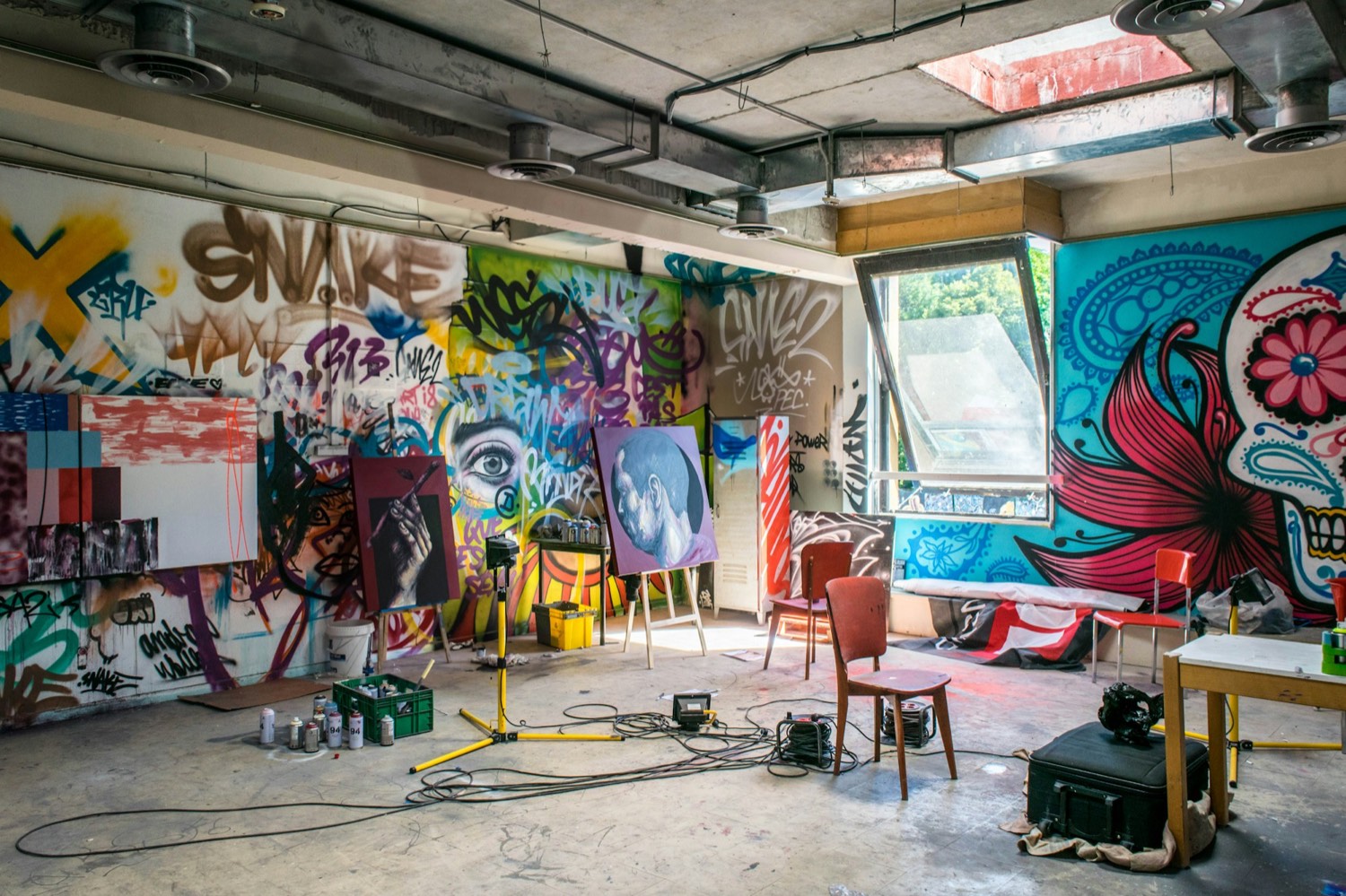
Most doors that come in for a respray need something fixing first. A chipped edge, a swollen corner under the sink, a screw hole in the wrong place. Coating over any of it is money spent twice.
See the process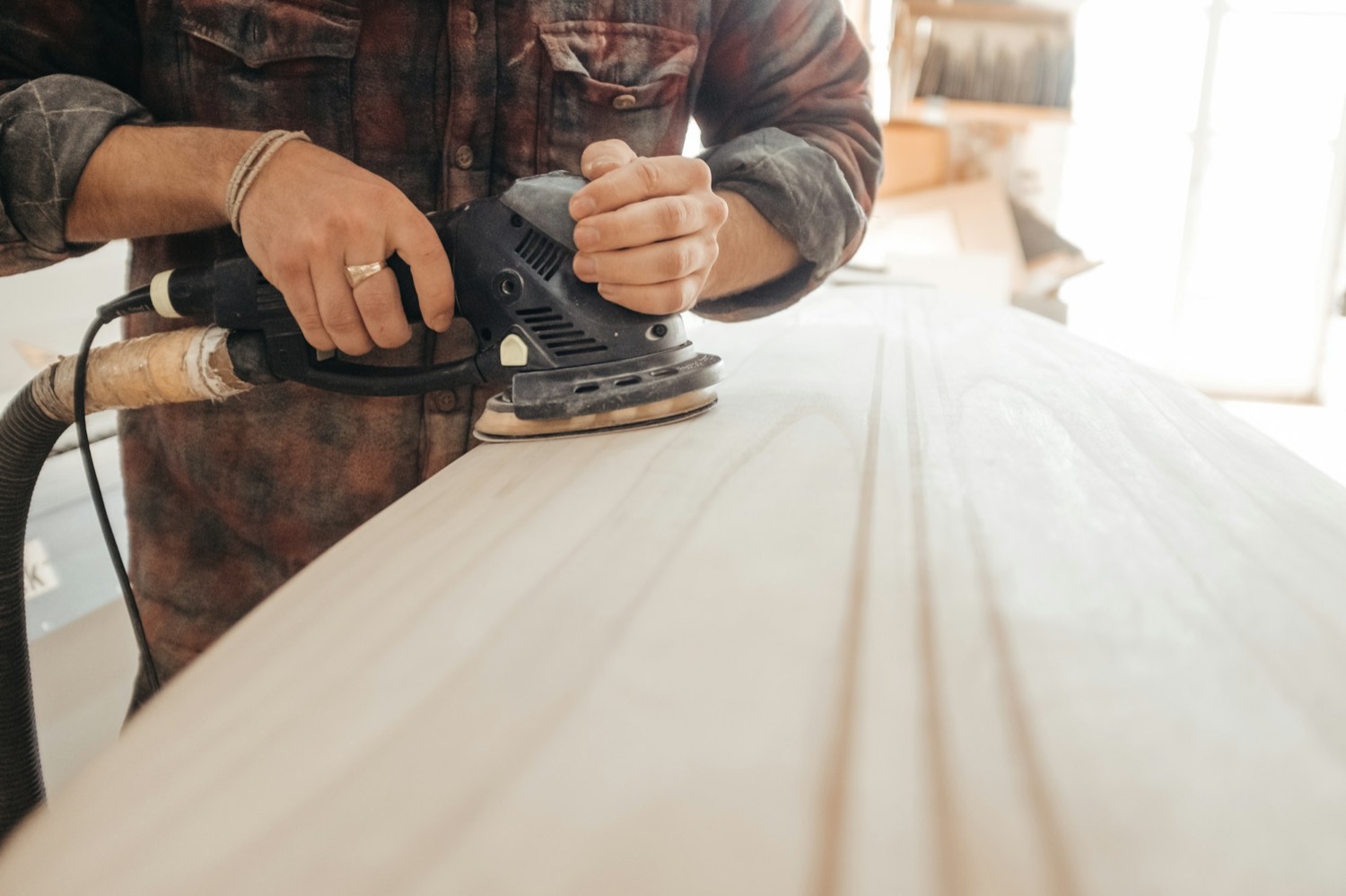
Six stages, in order, every time. Your carcasses stay in your house the whole way through.
Describe what you have and show us. The full run of doors, the edges, and anything already damaged.

Doors, fronts and panels picked up from you. Hardware comes off and gets bagged by position.
Swelling, lifting and chips found at strip, not at quote. Filled and sanded before anything is sprayed.

Edges sealed, primed and blocked until the face reads flat under a straight light. Most of the job is here.
3:2 photograph of a gun laying colour on doors racked in a booth, mist visible
Sprayed to ratio and flash times in a controlled booth, then cured to schedule. Whole sets in one session.
Checked under booth light, wrapped, and delivered back. Return delivery is in the price.
Nine questions and up to ten photos. You get the likely process, the rate lines it falls under and an indicative range: then it goes to the workshop for a human to look at properly.
Estimates are indicative only, worked against our published rates. Final pricing is confirmed by Coastal 2PAC after the job has been inspected or reviewed.
Square photograph: a gun laying two-pack across a rack of doors inside the booth, mist visible in the light
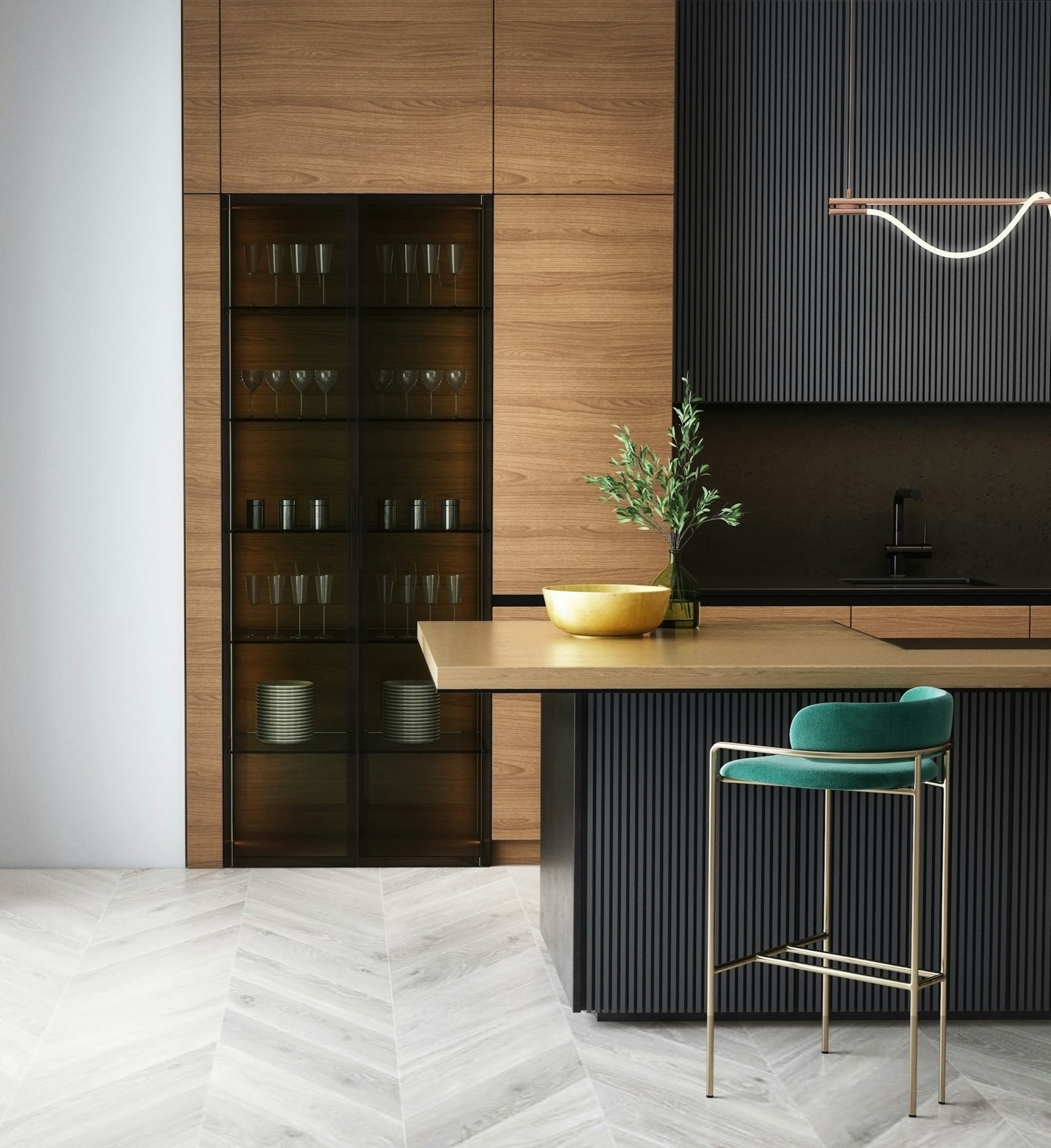
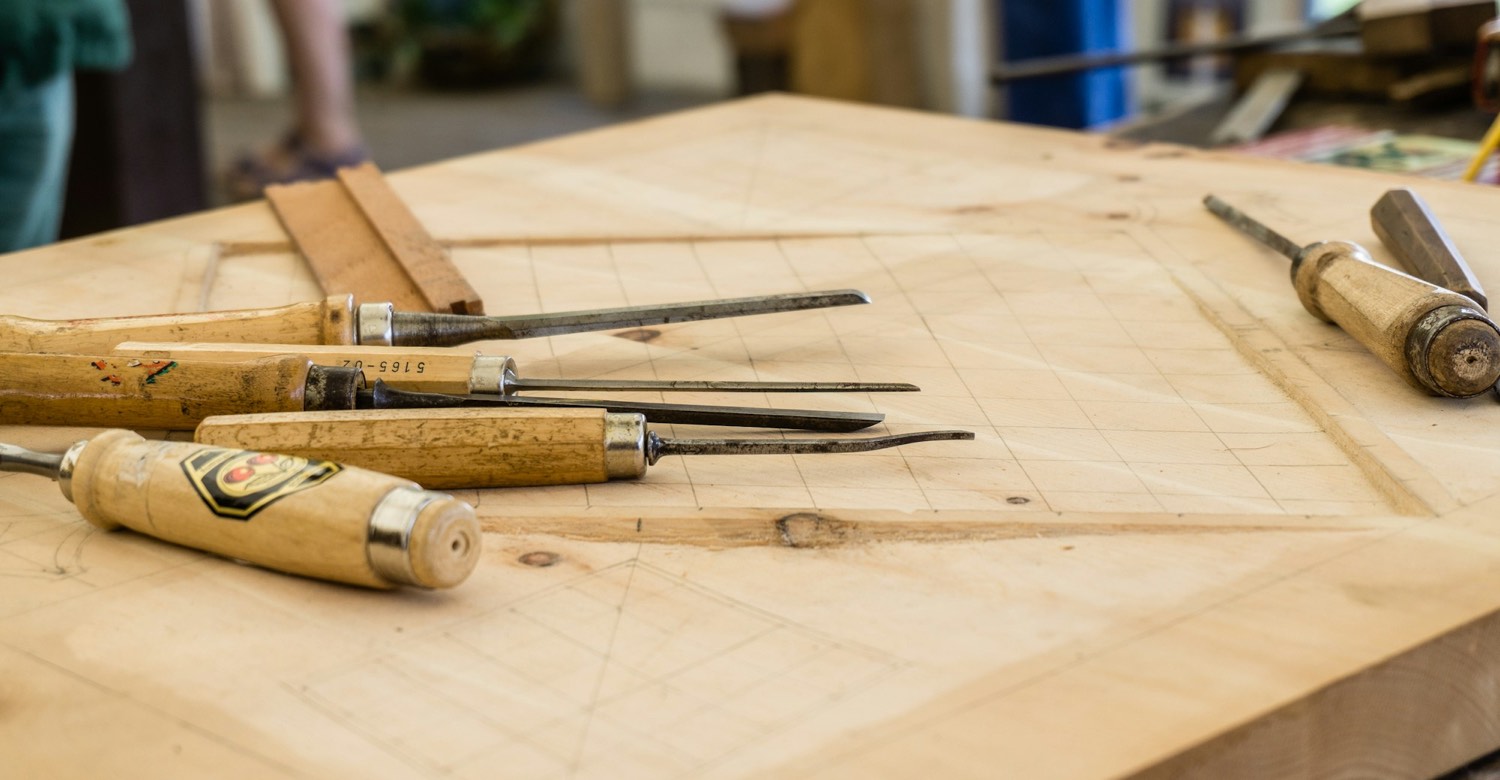
The first three are Coastal 2PAC’s own work. Placeholder photography, licensed and clearly credited. It shows the kind of work described, not jobs done by Coastal 2PAC. This gallery is managed from the workshop, so it keeps working whether or not a social platform is connected. See the full project archive.